Ever find yourself staring into the kitchen at 5:30 PM, your brain whispering a singular, undeniable command: “I need a glass of wine.” It is a completely normal, highly relatable human experience. But have you ever stopped to wonder why that craving hits in the first place? And more importantly, why on a breezy Tuesday you might desperately crave a bone-dry, razor-sharp white, while on a chilly Thursday only a dark, brooding red will do?
As it turns out, your wine cravings are not random whims. They are a brilliant collision of neuroscience, psychology, and sensory biology. Let’s pop the cork on what is actually happening inside your brain and your glass when those cravings strike.
The Brain on “Wine O’Clock”
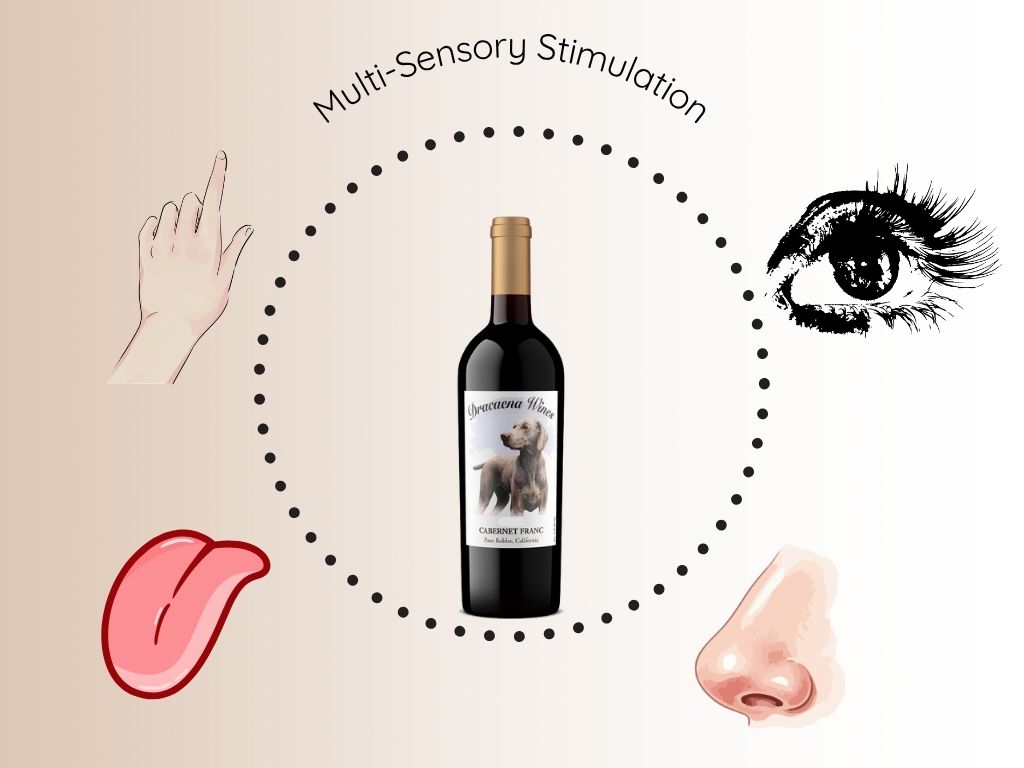
Long before the liquid ever touches your lips, your brain is already tasting it. Wine is what sensory scientists and psychologists classify as a multisensory stimulus. This type of stimulation means more than one human sensory system; sight, smell, taste, touch, and hearing is activated. It engages your eyes through color and clarity, your olfactory bulb via retronasal smelling, your taste buds with basic tastes like sweetness and sourness, and your somatosensory receptors which measure temperature, viscosity, and astringency.
Through the power of behavioral habit loops and memory formation, your brain links the sensory rituals of wine, such as the satisfying pop of a cork, the comforting weight of the glass in your hand, the aromatic bouquet, with a psychological reward. For many, that reward is decompression, stress relief, or a marker that the workday is officially over. When you are mentally fatigued or stressed, your brain remembers the exact chemical and sensory antidote that solved that feeling last time. It releases a spike of anticipatory dopamine, manifesting physically as an urge, soft nudging or a craving.
White Wine: The Craving for Clarity and Crispness
When you reach for a vibrant, high-acid white wine—think of a zesty Sauvignon Blanc, a mineral-driven Albariño, or an un-oaked Chardonnay, your body and mind are often seeking a specific type of physical reset. High acidity is nature’s ultimate palate cleanser. It triggers an immediate, reflexive burst of salivation. When your mouth feels heavy, you are physically warm, or you are preparing your palate for food, your body naturally craves high-acid liquids to restore balance and rehydrate the senses.
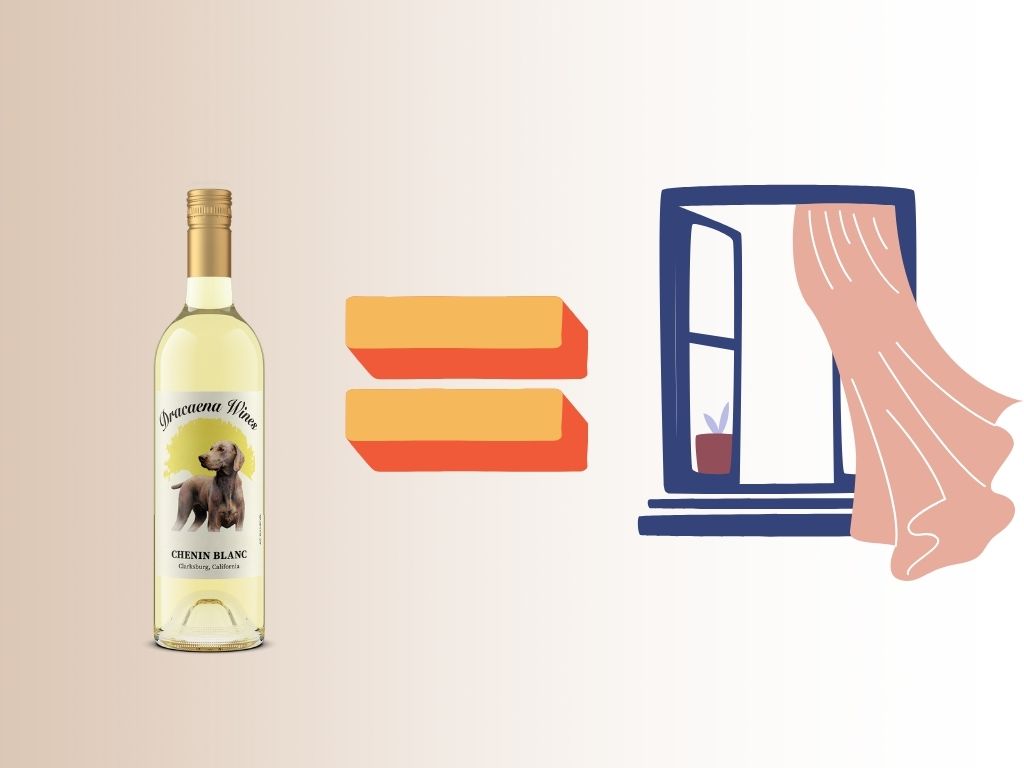
Lighter, highly aromatic whites tend to spark attentional exploration in the brain. They feel crisp, linear, and bright. Psychologically, drinking a refreshing white wine acts almost like opening a window on a stuffy afternoon. It wakes up the taste buds and provides an energetic, clean lift without the heavy physical weight of tannins.
Red Wine: The Craving for Comfort and Weight
When you pivot and crave a dark, structured red wine—such as a herbaceous, complex Cabernet Franc or a brooding Syrah, the psychological and physical drivers shift entirely. Red wines introduce tannins—phenolic compounds extracted from grape skins, seeds, and stems, as well as oak barrels. Tannins bind to the proteins in your saliva, creating an astringent, drying, and texturized mouthfeel. When you crave a red wine, your body is often seeking weight, substance, and physical grounding. The tactile friction of tannins gives the wine a “body” that you can literally feel, which satisfies a subconscious desire for substance and presence.
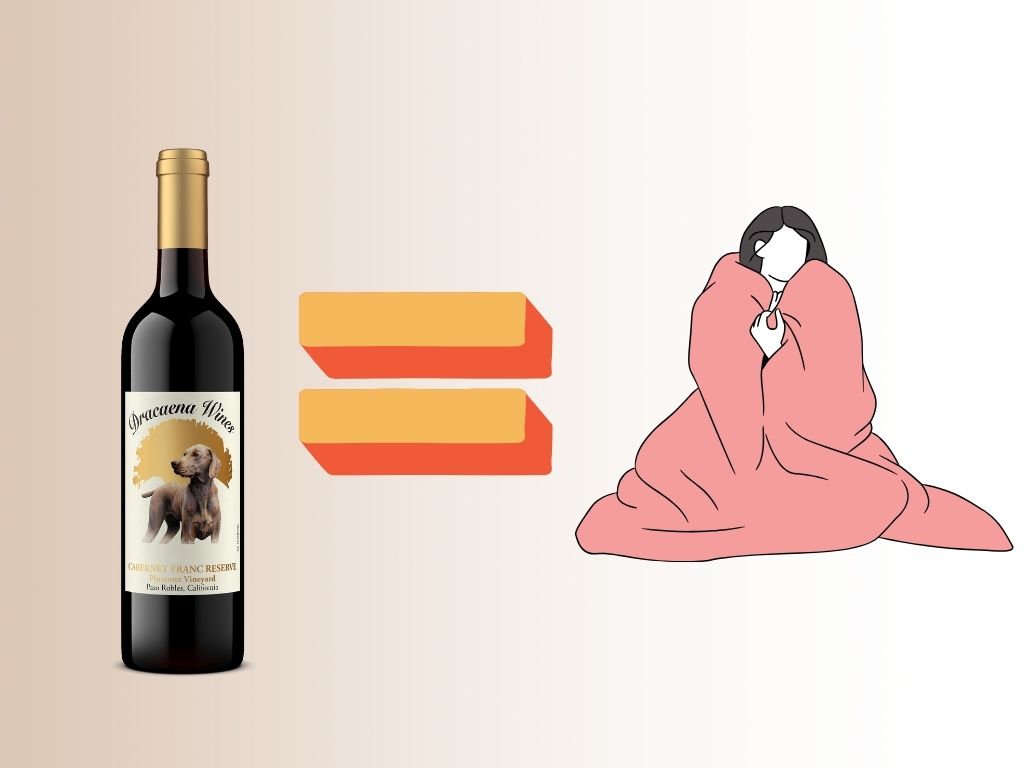
Studies and observations exploring the psychological footprint of red wine frequently link it to a feeling of warmth, safety, and grounding yoursel in the present. A heavier, complex red acts almost like a sensory blanket. It demands a slower, more contemplative rhythm of consumption. Because of its complex structural profile, you cannot rush a brooding red; it forces you to slow down, settle in, and unpack layers of dark fruit, earth, and spice, making it an instinctive magnet after a chaotic, high-stress day.
Listening to What Your Glass Is Telling You
Your glass of wine is much more than just a casual beverage at the end of a long day. It is a direct reflection of what your mind and body are asking for in the moment. If you find yourself looking for a sharp, refreshing wake-up call to reset your palate, you’ll likely find yourself reaching for a bright, high-acid white. If you are seeking a deep, comforting exhale, a physical anchor, or quiet contemplation, your hand will naturally gravitate toward a brooding, structured red.
Next time you pour yourself a glass, take a second to pause and ask yourself: Did my brain want the acid or the tannins today? Drop a comment below and tell us—what style of wine is calling your name tonight?
~Slàinte!
Ready to turn your passion into expertise? Whether you’re looking for foundational classes like Wine 101, Sparkling, and Rosé, or you’re ready for a deep dive into specific regions, we have a digital course or class for you! For those specifically interested in Spain, don’t miss our fun Exploring Spanish Wine: The Bingo Brains Edition or our professional-level Uncork Rioja Certification. Explore our full range of educational classes and find your next wine adventure: View All Wine Education Options.
I invite you to follow me on Instagram, Twitter, Facebook Threads and Youtube for all things wine. I’ll never tell you what to drink, but I’ll always share what’s in my glass. Please subscribe to my blog by entering your email address under “Subscribe to Blog by Email” in the right hand column.