
Where Misty Mountains, Ancient Legends, and Emerging Wines Meet
Between the emerald hills, dramatic cliffs and ancient caves, Cantabria offers a taste of Spain in an unforgettable and relaxed atmosphere. Although small in size, Cantabria is gigantic in character.
Where Exactly is Cantabria?
Cantabria is sandwiched between Asturias to the west and the Pais Vasco (Basque Country) to the east, with the Bay of Biscay rolling along its northern edge and the Cantabrian Mountains looming n the south. It’s part of what’s known as Green Spain, which includes Galicia and Asturias. The region is heavily influenced by the Atlantic climate which keeps everything vibrant and alive.
At just over 5,300 km², Cantabria is one of Spain’s smallest autonomous regions. Only two other regions, La Rioja and the Balearic Islands are smaller. What the region lacks in size it makes up for in scenery. Within a single day, you can be hiking mountain peaks and then walk the sandy beaches or stroll through fishing villages.

A Landscape That Shapes the Wine
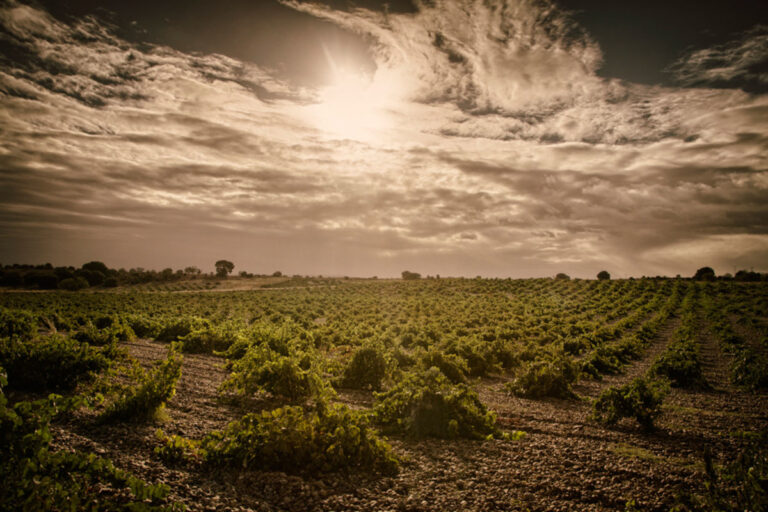
Cantabria’s geography is not only pretty, it’s unique. The mountains shelter inland valleys like Liébana, while the coast benefits from salty breezes and mild temperatures. This mix of influences creates microclimates that allow both red and white grapes thrive.
The region’s main wine areas are:
-
Vino de la Tierra de Liébana → Known for both reds and whites, this mountain valley produces Mencía, Garnacha, Tempranillo, and Albarín Blanco. The altitude brings freshness and lively acidity to the wines.
-
DO Costa de Cantabria → These coastal vineyards lean toward crisp, aromatic whites like Albarín Blanco and Godello. It’s like a sea breeze in a glass.
Production here is modest, but that’s part of the charm. Many of these are wines don’t make it outside the region.

What’s on the Table?
As with most Spanish wine regions, food in Cantabria is a reflection of its location; a combination of mountains and sea. Along the coast, seafood takes center stage. Anchovies from Santoña are legendary. The salty, silky taste is the pride of the local fisherman. Inland, hearty mountain stews like cocido montañés a stew including h beans, cabbage, and pork fills the bellies and warms the soul during the many rainy days.
And then there’s the cheese; yes the cheese! Cantabria is heaven for cheese lovers, with Queso de Nata de Cantabria earning its own Denominación de Origen protection. Creamy, rich, and oh so yummy!
Cantabrian culture isn’t just about wine, there is a large cider proponent to the region, as it is in neighboring Asturias. Poured with that dramatic high arc known as escanciado, cider here tends to be a little fruitier, balancing its tartness with subtle sweetness. And if you’re feeling bold, don’t forget to try orujo, a strong distilled spirit made from grape pomace, often infused with herbs.

Legends of Giants and Fairies
Cantabria doesn’t lack folklore. Legends tell the story of Ojáncanu, a one-eyed giant who embodies danger and cruelty. Think of him as the ultimate boogeyman of the mountains. He is described as a giant cyclops with a bad temper and a ominous knack for destruction. He has one blazing eye, wild red hair and beard that reaches to the ground, as well as hands and feet with ten digits each. His teeth come in two rows, his voice is described as thunderous, and when it comes to weapons, he reaches for natural weapons such as swinging a tree trunk. He has been credited with crushing huts, knocking down trees and , blocking water sources. Some say he’s responsible for carving out Cantabria’s gorges and ravines with his violent tantrums.
Of course, he has a female counterpart, the Ojáncana, who is every bit as vicious, but without a beard. Instead, she’s described with long, pendulous breasts that she literally has to throw over her shoulders just to run. (picture that! LOL) According to legend when Ojáncanu dies, his body is buried under an oak or yew tree. Nine months later, worms crawl from the grave, and the Ojáncanas nurse them with their own blood until—three years later—they’ve grown into new giants.
Balancing that giant evil, there are the Anjanas. These gentle fairy-like beings bring gifts and guide travelers to safety. These legends feel right at home in a region where misty forests, ancient caves, and wild cliffs inspire the imagination. (I think I prefer to run into an Anjana rather than an Ojáncanu; how about you?

Why Visit Cantabria?
Visiting Cantabria is like stumbling onto one of Spain’s best-kept secrets. Wouldn’t you rather wander through peaceful fishing villages, lace up your boots for a hike in the breathtaking Picos de Europa, or step back in time at the Altamira caves, instead of bustling through over crowded streets?
Sure, Cantabria is one of Spain’s smaller regions, but it is full of charm. Think dramatic coastlines, lush valleys, and wines that taste like they belong right where they’re grown. It’s where you can enjoy a crisp Liébana white with freshly caught seafood, or a stroll through medieval towns while uncovering local legends over a glass of red. Cantabria is the proof that the “under the radar” spots are often where happiness can be found.
Want to dig a little deeper into the wines and stories of Cantabria? Tune in to my podcast episode where I explore this region in more detail.
~Slàinte!
Ready to take your Spanish wine knowledge to the next level?
If you’re looking for a playful way to test your skills, my Wine Bingo: The Bingo Brains Edition turns learning into a game night you’ll actually want to study for. And if Rioja has captured your heart (and your palate), dive deeper with Rioja Enthusiast—your step-by-step guide and certification to truly uncork the region.
I invite you to follow me on Instagram, Twitter, Facebook Threads and Youtube for all things wine. I’ll never tell you what to drink, but I’ll always share what’s in my glass. Please subscribe to my blog by entering your email address under “Subscribe to Blog by Email” in the right hand column.
Please support our sponsor:
We’ve stacked the odds so that you can get our award winning wines without breaking the bank. Click the image to find out all of the benefits of joining the CHALK CLUB including discounted shipping and up to 25% off all purchases. .