
Asturias sits on Spain’s rugged north coast, bordered by Cantabria to the east and the wild Cantabrian Sea to the north. Here, lush green hills roll into steep cliffs, sleepy stone villages dot the valleys, and rain is as much a local character as the shepherds, farmers, and, yes—winemakers who call this place home.

A Tiny but Mighty Wine Scene
Asturias isn’t the first name most people think of when they hear “Spanish wine,” but it’s got an ancient (and delicious) story to tell.
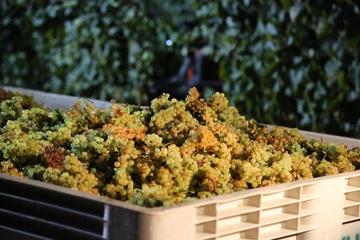
Winegrowing is centered around Cangas del Narcea, a town in the southwest where terraced vineyards cling to slopes so steep you can get your hiking in while walking them. These heroic slopes have been planted since at least the 9th century, when Benedictine monks tended vines alongside prayer and parchment.
Today, Asturias doesn’t have an official DO (Denominación de Origen)……yet. Instead, local wines proudly carry the Vino de la Tierra de Cangas designation. This isn’t a wine powerhouse in volume: fewer than 50 hectares remain, but what’s produced here is full of personality and history.

Rain, Mountains & the Magic in Between
So why all this green? Asturias has an Atlantic climate: mild summers, cool winters, and generous rain—over 1,000 mm (about 40 inches) a year. For perspective, Galicia ranges from around 800 to a whopping 2,000 mm (31–78 inches), and if you’re in the U.S., Hilo, Hawaii holds the crown as the rainiest city, clocking in at over 126 inches annually. Mist curls through valleys, moss clings to ancient walls, and the Picos de Europa mountains trap moist sea winds, shaping everything from the apples in the orchards to the freshness in every glass of local wine.
These conditions keep grapes high in acidity and low in alcohol, perfect for food and perfect for people (like me) who love wines that taste alive.
Meet the Grapes
Red wines dominate production (about 80%) and feature native grapes that rarely leave Asturias’ misty hills:
- Mencía: Bright, medium-bodied, with red cherry and herbal notes.
- Albarín Tinto: Adds darker fruit and savory spice.
- Carrasquín: Lively, crunchy, and refreshing—ideal with a slight chill.
- Verdejo Negro: Earthy, rustic, and adds quiet depth to blends.
On the white side, the star is Albarín Blanco: nearly lost to history, now revived to make crisp, citrusy wines with hints of wildflowers and mountain herbs. There’s also a sprinkle of Godello, which brings richness and texture.
Wines here aren’t about oak or opulence—they’re about freshness, honesty, and the taste of cool sea breezes and rain-washed slate.
Sidra: The Heartbeat of Asturias
Of course, no talk of Asturias skips its sidra—traditional cider that’s dry, slightly funky, and always poured with flair. The iconic escanciado (high pour) aerates the cider, brings out its gentle sparkle, and feels as essential to local life as a morning coffee.
Asturias makes about 80% of Spain’s cider, using over 200 native apple varieties—some so old they feel like living artifacts.
Legends in Every Glass
Asturias is a land of ancient tales whispered on rainy nights:
- La Xana: Water nymphs guarding hidden treasures (and sometimes falling for passing mortals).
- Cuélebre: A dragon or serpent lurking in misty caves, said to still haunt vineyard slopes.
- Trasgos: Mischievous goblins who love to braid horse manes and hide your tools.
These aren’t just fairy tales—they’re the soul of Asturias, reminding us that wine isn’t just farming; it’s living history.

On the Table
Asturian cuisine is hearty, rustic, and built for cool, rainy days. Think comforting stews brimming with chorizo and beans, fresh seafood pulled from the stormy Cantabrian Sea, and cheeses aged in misty mountain caves until they’re bold enough to bite back. It’s food that’s unfussy but deeply soulful—designed to warm the belly and bring people together around a crowded wooden table. Three popular dishes include:
- Fabada Asturiana: A rich stew of beans, chorizo, and morcilla.
- Cabrales: Intense blue cheese aged in mountain caves.
- Fresh fish and shellfish kissed with olive oil and sea salt.
- Cachopo: Breaded veal stuffed with ham and cheese—crispy outside, gooey inside.
These dishes don’t need showy wines—they need wines with bright acidity, freshness, and heart.

Why Asturias Matters
Imagine sipping something that tastes like misty mountain mornings, cool Atlantic breezes, and a dash of stubborn local pride—all in one glass. (who’s in for that?!) These aren’t your polished, mainstream Spanish wines; they’re small-batch, hand-tended gems made on scary steep terraces where even goats think twice. It’s wine that doesn’t try to impress with muscle or oak, but wins you over with freshness, honesty, and the quiet magic of a region that’s been telling stories in vines and barrels for over a thousand years. In short: it’s the kind of wine adventure your taste buds didn’t know they needed, but will definitely thank you for! Asturias is proof that wine isn’t always about volume or fame—it’s about place, patience, and pride.
Final Sip
Next time you see a bottle labeled Vino de la Tierra de Cangas, a crisp Albarín Blanco, or a red blend featuring Mencía or Carrasquín—give it a swirl. Somewhere in that glass, you might just taste misty hillsides, whispered legends, and a little piece of Asturias’ stubborn, soulful heart. Then be sure to tag me in that photo! I’d love to see you enjoying the wine from Asturias.
~Slàinte!
I invite you to follow me on Instagram, Twitter, Facebook Threads and Youtube for all things wine. I’ll never tell you what to drink, but I’ll always share what’s in my glass. Please subscribe to my blog by entering your email address under “Subscribe to Blog by Email” in the right hand column.
Please support our sponsor:
We’ve stacked the odds so that you can get our award winning wines without breaking the bank. Click the image to find out all of the benefits of joining the CHALK CLUB including discounted shipping and up to 25% off all purchases. .